
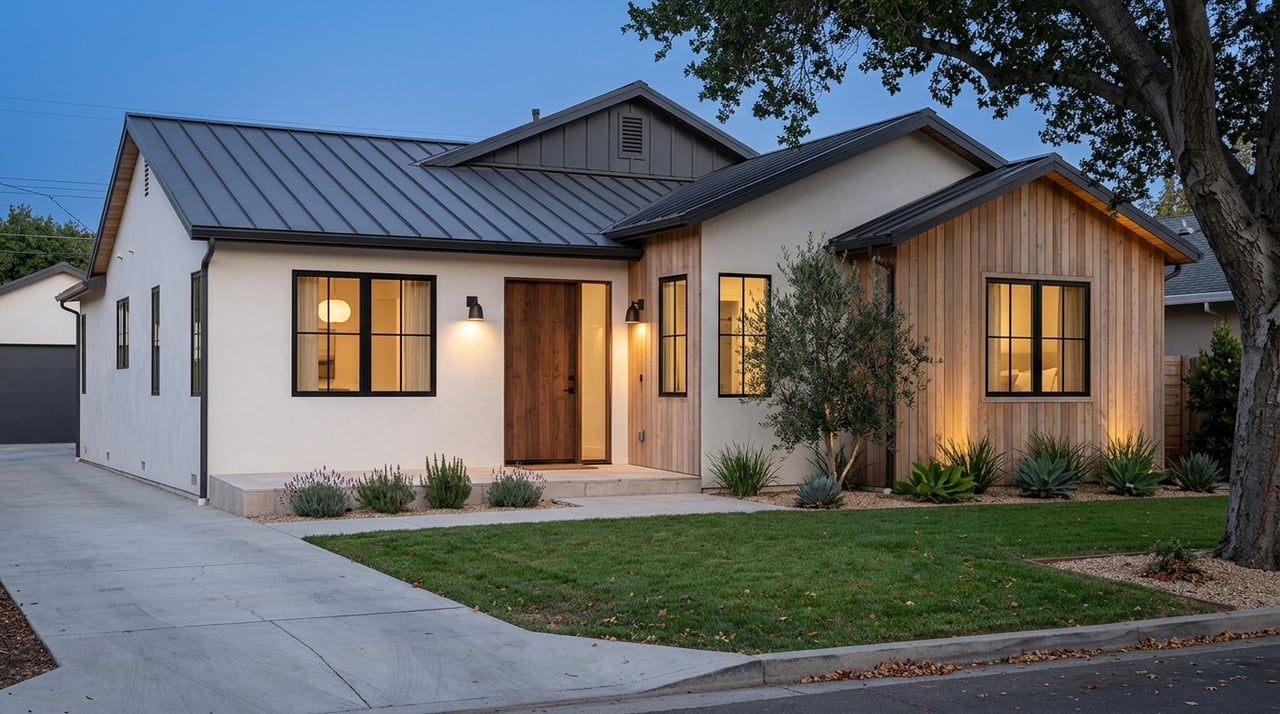
Selling a home in Los Altos can feel simple from the outside. Clean up, list it, accept an offer, and sign papers. In reality, the smoothest sales are built well before launch, especially when disclosures, inspections, title review, and closing details all need to line up. If you want fewer surprises and a clearer path from prep to close, it helps to see the sale as a set of parallel tracks rather than one long to-do list. Let’s dive in.
Start with a real timeline
A Los Altos home sale works best when you plan for overlap. In California, key seller disclosures should be prepared early, and if material disclosures are delivered after an offer is accepted, the buyer may get a short window to cancel. That timing matters because escrow continues moving in the background until documents, funds, and closing conditions are complete.
For many sellers, especially long-time owners, this is where stress shows up. You may be making repair decisions, gathering old records, reviewing title information, and preparing the home for market at the same time. A clear timeline helps you stay ahead instead of reacting late.
Eight to six weeks before listing
This is the planning stage. A strong start often includes an initial walk-through, vendor consultations, inspection planning, title or preliminary report review, and document gathering.
California’s Department of Real Estate advises sellers to be ready with practical items such as contact details, lender payoff information if applicable, fire insurance information, vesting choice, trust documents if applicable, and HOA contact information if the property is part of a common-interest development. Getting these items together early can save time once the home goes live.
Six to three weeks before listing
This is usually the busiest prep window. Repairs, touch-ups, staging, photography, and disclosure drafting often happen here.
It is also a smart time to order or confirm hazard reporting. California’s statutory natural hazard disclosure covers flood, dam inundation, fire hazard severity, wildland fire, earthquake fault, and seismic hazard zones. Having that package ready early supports faster, cleaner offer review.
Launch week
By launch week, the goal is not just to have the home looking great. You also want the disclosure packet ready so buyer questions can be answered without delay.
That matters because California’s disclosure rules are built around timely delivery before transfer, and in some situations before contract execution. If disclosures are still being assembled after interest builds, you may create avoidable friction at exactly the wrong time.
Acceptance through closing
Once you accept an offer, escrow opens and the transaction shifts into a different kind of work. Inspections, contingency work, document signing, repair credits or corrections if needed, and final recording all move toward the close.
This stage tends to feel faster than sellers expect. The more you prepared upfront, the easier it is to keep momentum once the buyer is in due diligence.
Use three tracks at once
One of the best ways to think about a Los Altos home sale is to divide it into three tracks. Instead of waiting to finish one category before starting the next, many tasks can move together.
That approach is especially helpful if you want a cleaner market debut and fewer last-minute delays. It also matches how California transactions actually unfold.
Track 1: Physical prep
This track covers the home itself. It includes repairs, touch-ups, staging, and photography.
Inspection scheduling can run in parallel with pricing conversations and marketing prep. If you already know which items need attention, you can make more confident decisions about what to address before listing.
Track 2: Legal prep
This is the disclosure track, and it should start early. For a typical single-family resale, the packet is more than one form.
Core California disclosures commonly include:
- Transfer Disclosure Statement, or TDS
- Natural Hazard Disclosure, or NHD
- Seller Property Questionnaire, commonly paired with the TDS
- Agent Visual Inspection Disclosure for most 1-to-4 unit transactions
- Lead-based paint disclosure for most homes built before 1978
- HOA-related documents if the property is in a common-interest development
California law gives this area real weight. If the TDS or NHD is delivered late, the buyer can get a short termination right. That is one reason a disclosure-forward strategy reduces risk and helps protect your timeline.
Track 3: Transaction prep
This track supports escrow and closing. It includes title review, payoff information, vesting details, trust documents if applicable, and HOA information if applicable.
The Department of Real Estate also advises sellers to review the preliminary title report, ask for an estimated closing statement early, and keep lender communication current. These may sound administrative, but they directly affect how smoothly your closing comes together.
Why disclosures should never be last minute
In Los Altos, strong preparation is not just about presentation. It is also about reducing the chance that a deal gets slowed down by paperwork that should have been ready before the first offer.
The TDS is a core California disclosure for single-family residential sales. It must be delivered as soon as practicable before title transfer, and in certain contract structures before contract execution. If delivered late, the buyer gets a 3-day in-person, 5-day mail, or 5-day electronic right to terminate.
The NHD works in a similar way. It uses a statutory form and covers specific mapped hazard areas, including flood, dam failure inundation, fire hazard severity, wildland fire, earthquake fault, and seismic hazard zones. Late delivery also creates a short buyer cancellation window.
For homes built before 1978, lead-based paint disclosure adds another important step. Sellers and agents must disclose known lead-based paint or hazards before the contract is signed, provide available reports and records, and give the required EPA pamphlet. Buyers also receive a 10-day opportunity to conduct a lead inspection or risk assessment.
New California notices for 2026
If your sale happens on or after January 1, 2026, two newer California disclosure requirements may matter.
First, sellers of covered properties must provide a notice advising buyers that an electrical system inspection may be advisable, unless the building received a new certificate of occupancy within the prior three years. Second, sellers of single-family residential property must disclose known state or local requirements or restrictions tied to replacing existing gas-powered appliances that transfer with the home.
These are good examples of why disclosure prep should begin early. Waiting until the last minute can create confusion, extra negotiation, or a delay in closing.
What happens after your home goes live
Once the listing launches, your role is not to sit back and wait. Marketing, buyer questions, offer review, and escrow prep often move together.
A well-prepared seller can answer questions using a completed disclosure packet rather than rushing to create one after interest arrives. That helps buyers evaluate the opportunity faster and can support smoother negotiations.
Offer review and buyer questions
When offers come in, clarity matters. Buyers may ask about inspections, repairs, hazard zones, title items, or property history.
If your packet is already built, those questions are easier to address. That can help keep decision-making focused on price, terms, and timing instead of chasing missing documents.
Escrow is a neutral process
In California, escrow is the neutral place where documents, funds, and other value are held until the instructions are satisfied. It is not just a waiting period between acceptance and closing.
During escrow, the buyer handles due diligence and contingencies according to the contract. At the same time, you may be signing documents, responding to clarification requests, reviewing closing figures, and working through any agreed repair credits or corrections.
Corrections can affect the timeline
Sometimes a disclosure gets updated or clarified after acceptance. Sometimes a repair issue leads to a credit discussion.
Those changes are manageable, but they are one more reason to stay organized from day one. In California, late or corrected disclosures can affect buyer rights, so preparation upfront can help preserve momentum later.
Local closing details in Santa Clara County
Closing is not complete just because everyone signs. In Santa Clara County, the final transfer depends on a recordable package being submitted correctly.
The Santa Clara County Clerk-Recorder handles recording. The county states that recorded documents must be legible, authorized by law, and submitted with the proper fees and taxes.
Documentary transfer tax
Santa Clara County collects documentary transfer tax at recording unless an exemption applies. The county rate is $0.55 per $500 or fraction thereof of the consideration or value conveyed.
For Los Altos sellers, this is an important line item to expect in closing costs. The county’s published city conveyance tax schedule lists some cities, and that suggests Los Altos sellers generally look to the county documentary transfer tax schedule rather than a separate city conveyance tax, though escrow should confirm the current treatment for your transaction.
PCOR fee risk
Another local detail is the Preliminary Change of Ownership Report, or PCOR. If the report is required but missing or incomplete at recording, Santa Clara County charges an additional $20 PCOR fee.
This is a small number compared with the overall sale, but it is a good example of how incomplete closing paperwork can still create avoidable issues at the finish line.
A simple seller roadmap
If you want a practical way to map your sale, focus on sequence and overlap. The strongest outcomes usually come from early coordination, not from trying to solve everything once an offer arrives.
A simple roadmap looks like this:
- Start planning 8 to 6 weeks before listing
- Gather title, payoff, vesting, trust, insurance, and HOA information early if applicable
- Schedule inspections and evaluate repair decisions before launch
- Build the disclosure packet before the home goes live
- Complete staging and photography during the prep window
- Launch with documents ready for buyer review
- Stay responsive during escrow as contingencies, credits, and signing move forward
- Confirm recording items, taxes, and county paperwork before closing
For many Los Altos sellers, especially those who have not moved in many years, this kind of structure makes the process feel much more manageable. It turns a high-stakes transaction into a guided plan with fewer surprises.
If you want a sale that feels organized from day one, hands-on preparation matters. That is where boutique oversight can make a real difference, from vendor coordination and disclosures to marketing execution and negotiation. When you are ready to build your own Los Altos sale plan, Lynn North can help you map the process clearly from prep to close.
FAQs
How much time should you allow before listing a Los Altos home?
- A practical planning window is often 8 to 6 weeks before listing for walk-throughs, document gathering, inspection planning, and title review, followed by 6 to 3 weeks for repairs, staging, photography, and disclosures.
Which seller disclosures matter most for a Los Altos home sale?
- For many single-family resales, key disclosures include the Transfer Disclosure Statement, Natural Hazard Disclosure, Seller Property Questionnaire, Agent Visual Inspection Disclosure, and lead-based paint disclosure if the home was built before 1978.
What happens if a California seller updates a disclosure after accepting an offer?
- Late or corrected disclosures can affect the buyer’s rights, and for some disclosures such as the TDS and NHD, late delivery can give the buyer a short window to terminate.
What should Los Altos sellers gather early for escrow?
- Useful early items include lender payoff information if applicable, fire insurance information, vesting choice, trust documents if applicable, HOA contact information if applicable, and preliminary title report review materials.
What recording costs should Los Altos sellers expect in Santa Clara County?
- Santa Clara County collects documentary transfer tax at recording at $0.55 per $500 or fraction thereof of value conveyed unless an exemption applies, and an additional $20 PCOR fee may apply if a required report is missing or incomplete.