
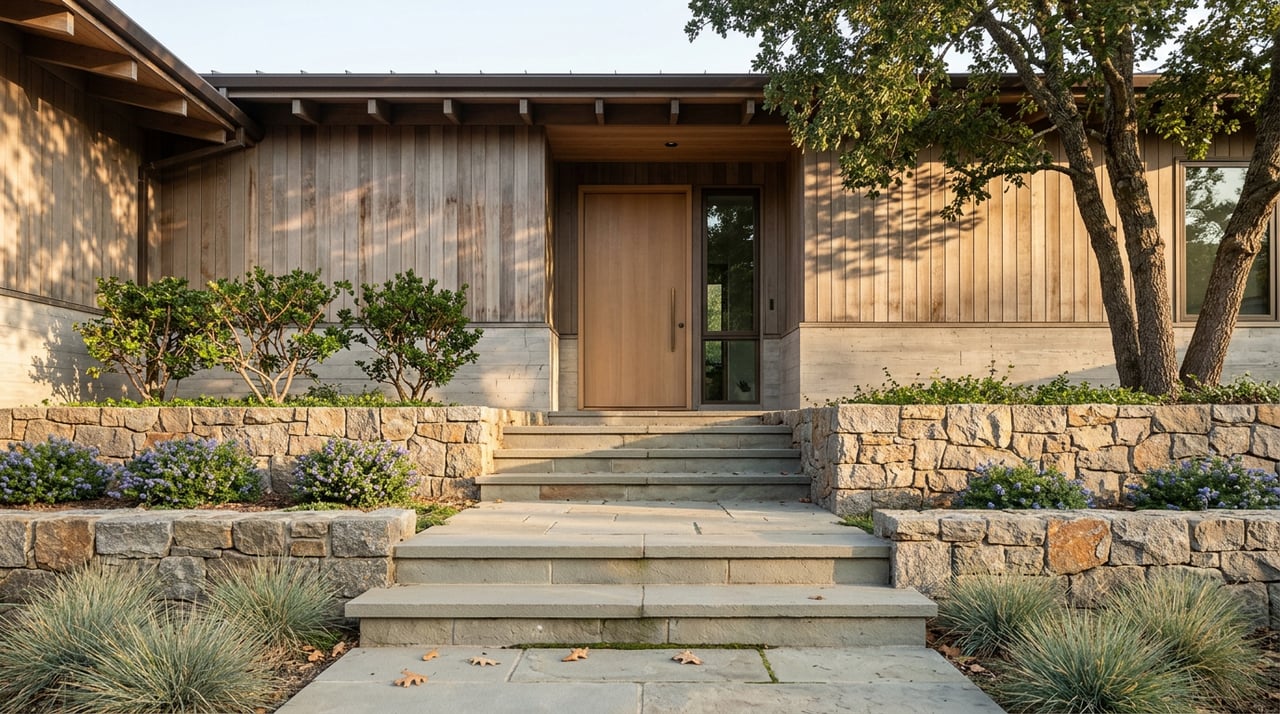
What happens between the morning you decide to sell your Saratoga hillside home and the afternoon the sign actually goes in the yard? For most sellers in the flatter parts of Silicon Valley, the answer is a few weeks of painting and staging. For a foothill property above Pierce Road or up in Parker Ranch, the answer runs through a series of approvals and pre-listing checks that do not care how motivated you are to close. Each one runs on its own clock, and none of them show up in the statistic everyone quotes about how fast Saratoga homes sell.
That statistic is real. Santa Clara County MLS data for zip code 95070 showed a median of 18 days on market for single family homes in July 2026, with a median sale price of $4,740,000, up 16.7 percent year over year. Twenty homes closed that month against just 42 active listings, the kind of scarcity that rewards a seller who is genuinely ready to move. The catch is that the 18-day clock starts the day a listing goes live, not the day you decide to sell. For a hillside parcel, the gap between those two dates is where the real risk to your timeline sits, and it has almost nothing to do with pricing or staging.
Your Trees Are Not Entirely Yours to Cut
Saratoga's Tree Regulations, codified in Article 15-50 of the city code, require a permit before any protected tree can be removed, including a tree that is already dead or fallen. The same permit applies if you plan to prune more than 25 percent of a protected tree's canopy or do any pruning that departs from International Society of Arboriculture guidelines. It also extends to work you might not think of as tree-related at all: grading, excavating, trenching, parking equipment, or storing materials within a protected tree's root zone all trigger an encroachment permit.
The Saratoga code of ordinances gives the Community Development Director up to 30 days to decide a standard tree permit application. If the tree in question sits near a shared property line, the city mails written notice to every property owner within 150 feet, and neighbors get 15 calendar days to appeal before the permit is final. That can mean up to 45 days on the outside, and it opens the moment you file, not the moment you list.
An ordinance update that took effect on March 6, 2026, does soften one piece of this, as the City of Saratoga's Arborist FAQ explains. Homeowners citywide can now remove a tree whose trunk sits within five feet of the house, measured below the first branch, to create wildfire defensible space, without the public notice and appeal step. A permit is still required. If your listing timeline depends on clearing brush or trees close to the structure, that change saves you the 15-day appeal window, not the permit itself.
For sellers weighing a larger project before listing, a wider point matters more. The city's 2026 Arborist Report Checklist requires a security deposit equal to 100 percent of the appraised value of every tree potentially affected by the work. If you are debating a pre-listing addition or a hardscape upgrade near mature trees, that deposit requirement is worth pricing into your timeline before you break ground, not after.
The Geologic Report Nobody Mentions Until Escrow
Saratoga sits in the foothills of the Santa Cruz Mountains, and much of its housing stock climbs into terrain with real elevation change. That geography puts a meaningful share of hillside parcels inside a mapped geologic hazard zone under the Santa Clara County Geologic Ordinance, sections C12-600 through C12-624. The ordinance defines a geologic hazard as a natural condition presenting the potential for ground deformation, which covers fault rupture, landslides, liquefaction, and compressible soils. When a property falls inside one of these mapped zones, the county requires disclosure to a prospective buyer as part of the sale.
The maps that determine this are on file with the county Planning Office and available through an interactive geologic hazards map maintained by the California Department of Conservation. Checking your parcel against that map before you order any inspection tells you almost immediately whether this disclosure applies to you, and it costs nothing but a few minutes.
This connects directly to the construction economics of hillside Saratoga. Building industry cost guides for 2026 put custom home construction here at $450 to $900 or more per square foot, well above the $350 to $700 range typical of more accessible Bay Area cities. Hillside lots with slopes of 10 percent or greater add 15 to 30 percent to base building costs because of the additional setbacks, grading permits, and geotechnical work those slopes require. If a seller is tempted to add a room, regrade a section of yard, or build a retaining wall before listing, that same geotechnical and tree-review machinery applies. A project that looks like a quick value-add on paper can turn into a multi-month permitting exercise on a hillside lot.
What's Actually Coming Out of the Tap
Water in Saratoga is not one system. The Santa Clara Valley Water District serves much of the valley floor with imported surface water treated at the Rinconada Water Treatment Plant, while some upper Saratoga properties, outside the San Jose Water Company service area, run on private wells. Well water quality in the foothills varies widely from one parcel to the next, with some wells testing soft and others showing much higher mineral content. Properties outside the city sewer service area rely on septic systems rather than a municipal connection.
One detail matters for anyone listing this year. The Rinconada plant underwent a maintenance shutdown that ran from October 2025 through this spring, during which valley floor customers were temporarily served by local groundwater and treated water from the Montevina plant, sources that can carry different hardness characteristics than the plant's normal output. That means any water quality documentation a seller gathered during those months may not reflect what a buyer's own test shows today. If you have a report dated within that window, treat it as outdated rather than current.
For a well or septic property, the practical lesson is the same one that applies to the tree and geologic items above: the paperwork buyers expect takes real calendar time to assemble, and none of it can be compressed into the final week before a listing goes live. A septic pumping record, a water quality test, and a system inspection are all things worth scheduling the moment you start thinking about selling, not the week you plan to list.
A Realistic Pre-Listing Runway
| Item | Typical lead time | Where the clock starts |
|---|---|---|
| Tree removal or encroachment permit | Up to 30 days for a decision, plus 15 days for neighbor appeal if applicable | Date the application is filed |
| Geologic hazard zone check | Same day, using the county's online map | Whenever you look it up |
| Well water quality test | Days to schedule and receive lab results | Date you call a testing service |
| Septic pumping and inspection | Depends on contractor availability, often two to four weeks in season | Date you schedule the appointment |
Local market patterns show February through July as the strongest window for a Saratoga sale, when demand runs highest and homes move fastest. That window has already closed for 2026. If you are thinking about a fall listing, or getting ready for next spring, the items above are exactly the ones worth starting now, while there is no pressure on the calendar.
A short, practical sequence for a hillside seller:
- Pull up the county's geologic hazards map and note whether your parcel falls inside a mapped zone.
- Walk your property with a certified arborist and get a written assessment of any protected trees near planned work, driveways, or the house itself.
- If you are on well water, schedule a fresh water quality test, especially if your last one falls inside the October 2025 to April 2026 window.
- If you are on septic, schedule pumping and inspection early rather than waiting for a buyer's request to set the timeline.
- Contact the City of Saratoga Community Development Department directly if you have any question about whether a specific tree or project needs a permit before you start.
A Short FAQ
Does every Saratoga home need a geologic hazard disclosure? No. Only parcels that fall inside a mapped geologic hazard zone under the county ordinance carry that disclosure requirement. Checking the county's online map takes a few minutes and tells you immediately whether it applies to your property.
How long does a tree removal permit actually take in Saratoga? The code gives the Community Development Director up to 30 days to decide. If the tree sits near a shared property line, add a 15-day neighbor notice and appeal window, unless the tree qualifies under the March 2026 wildfire defensible space provision, which waives that appeal step but still requires a permit.
I already have a water test on file. Do I need a new one? If that test was done between October 2025 and this spring, while the Rinconada plant was offline for maintenance, it may reflect a temporary water source rather than current conditions. A test dated after the plant resumed normal service gives buyers a more accurate picture.
Hillside Saratoga rewards sellers who start the paperwork before they start thinking about a listing date. If you own a foothill property and want a clear-eyed look at what your specific parcel needs before it goes on the market, Lynn North works with one listing at a time so that every disclosure, permit, and inspection gets handled in the right order, well before a buyer ever sees the address. Schedule a free consultation and home valuation to map out your own timeline.
This article is general information, not legal, tax or financial advice. Consult a qualified professional about your situation.